

In politics, one tweet can change everything fast. Now, people bet on which posts will go viral. They watch likes, shares, and comments like votes. It mixes politics, algorithms, and gambling.
From Debates To Data-Driven Bets
Every election season has debates, strong opinions, and funny posts. Now, people are betting on which posts will go viral. These new platforms treat social media like a sport. Participants analyze timing, topic, and tone before placing their bets at 22Bet. A sharp comment about policy or a clever jab during a debate could turn into a profitable viral hit.
How The Markets Actually Work
The system is simple but powerful. Users bet on metrics — for example, whether a tweet from a candidate will pass 100,000 likes or trend for more than an hour. Smart contracts or automated platforms verify data from APIs. Once results are confirmed, payouts are made instantly. Some platforms use cryptocurrency for fast and anonymous transactions. What began as social fun is now becoming a structured market with real stakes.
The Psychology Behind The Craze

Why do people bet on viral tweets? It’s about prediction and influence. Political tweets are short, emotional, and unpredictable — the perfect mix for speculation. Bettors try to read the public mood faster than the crowd. They track trending hashtags, sentiment scores, and even time zones. Winning a viral bet feels like beating the internet’s collective attention span.
Data Is The New Campaign Currency
In this world, data is everything. Tools that analyze engagement trends or emotional tone help bettors decide which tweets have viral potential. A single word choice — “freedom,” “crisis,” “taxes” — can shift odds. Political communication is no longer just about message control; it’s a measurable event market. Every viral post becomes a digital stock that rises or falls based on human emotion.
Ethical Gray Areas
Not everyone is cheering. Critics say betting on political communication could distort online discussions. If people profit from virality, will they promote divisive or misleading content? The concern is real. Viral betting markets might reward outrage rather than truth. That tension between free speech and monetization is still unresolved, and it’s testing the limits of digital ethics.
The Role Of Technology
AI and machine learning make this betting possible. Algorithms predict tweet performance by analyzing engagement history, network reach, and language patterns. Some bettors even build their own models to forecast outcomes. It’s like sports analytics, but for politics. As tools become more accurate, predicting virality could become less about luck and more about data science.
The Thrill Of Political Chaos
For many bettors, this is about the adrenaline rush. Political Twitter is fast, messy, and emotional. A single typo or witty reply can send engagement skyrocketing. People watch live debates with their betting apps open, ready to stake on which candidate’s comment turns into the night’s biggest post. It’s entertainment disguised as analysis, chaotic, competitive, and addictive.
How Politicians Might Adapt
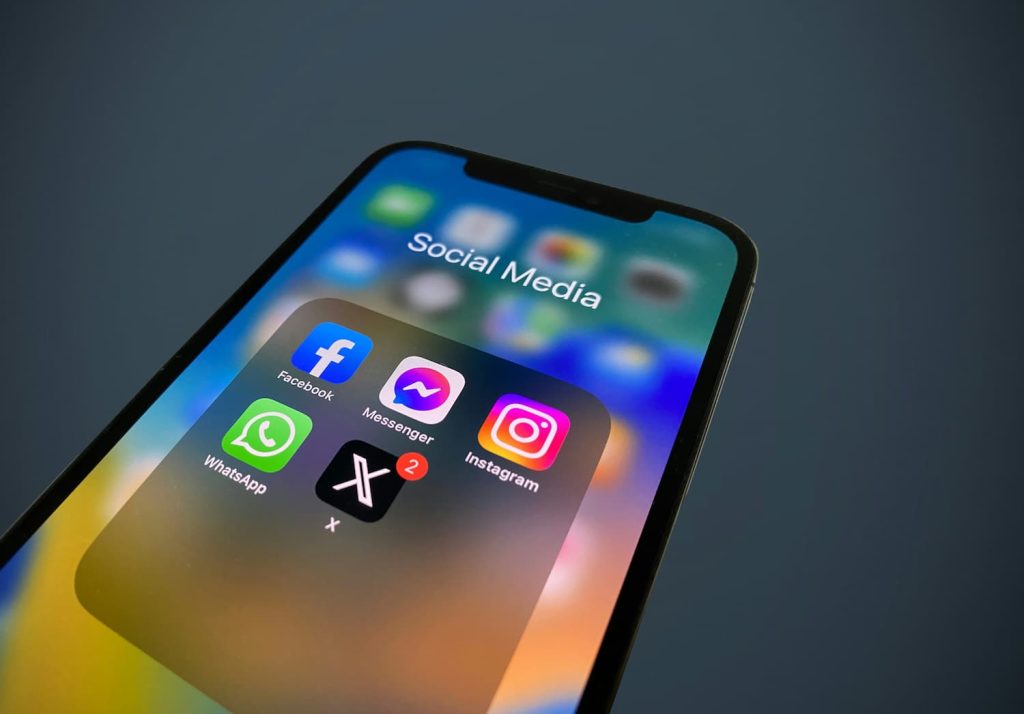
Campaign teams are watching too. If betting markets predict which messages gain traction, politicians could use that data to shape their strategies. Viral odds might soon influence how speeches are written or when statements are posted. Politics, already driven by analytics, could become even more reactive to audience behavior.
Social Influence As Currency
What’s fascinating is how value now comes from attention. A viral tweet isn’t just words; it’s influence quantified. Betting on it means assigning worth to the online reaction itself. That changes how people think about communication. Public opinion, once intangible, now has odds attached to it. The attention economy has found a literal expression in wagering.
The Risks Ahead
These markets are not regulated, so results can be manipulated. Bots or fake accounts could fake activity. People might boost engagement on purpose to make money. Transparency will be vital. Platforms that host these wagers need systems to verify authenticity and prevent exploitation of both users and data.